



Adding Insult to Injury
Where does it hurt? The mind-body connection can make physical pain emotional and vice-versa. Here’s why behavioral health can be affected even more when an injury comes from a workplace or auto accident and what Excelsia is doing to treat the whole person.

Injuries—no matter where they occur, can have a deep effect on our behavioral health. Depression, hopelessness, anxiety, fear, and emotional distress are just some of the symptoms that can accompany an accident.
But for people navigating the legal system, the added insult can impact behavioral health, creating financial stress and a sense of overwhelm.
A 2023 yahoo!finance report says that hits to mental health account for more than half of all workplace injuries—more common than injuries to the head, back, and chemical injuries.1 For those who required surgery, the behavioral health trajectory fared worse in workplace vs. outside the workplace injuries.2
To determine which of our patients may be in greater need of these services, we look for patients who exhibit:
- Adjustment difficulties following their injury
- Anxiety, depression, or mood changes related to pain or loss of function
- PTSD-like symptoms after traumatic events
- Sleep disturbances stemming from their injury
- Changes in executive function that can occur after a brain injury (these include impulsivity, irritability, emotional lability, slowed processing, etc.)
- Disruption in identity and grief from loss (independence, mobility, confidence, etc.)
It takes no imagination to relate an auto accident injury with panic and fear related to being in a car, whether as a driver or passenger. Likewise, we can understand and empathize with feelings of guilt, shock, sadness, grief, hopelessness, and worry over our pain, our livelihood, and our future.
Mind your body
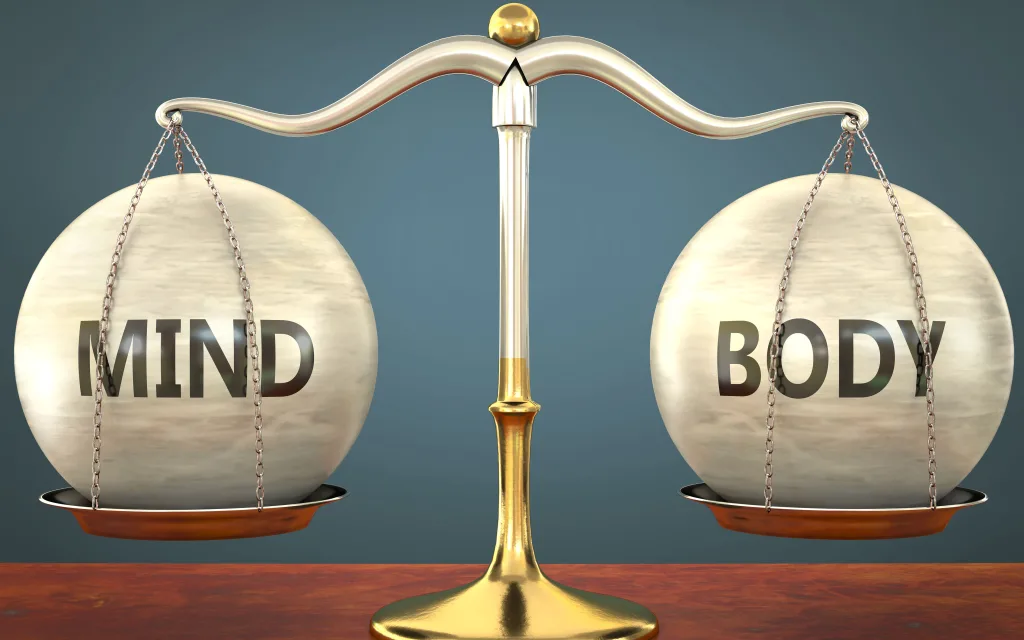
Science backs the mind-body connection as bidirectional. This means not only that physical pain affects our minds—emotions, attitudes, behaviors—but that our minds can affect our bodies.3 We feel anxiety in our bodies as butterflies in the stomach or the urge to rock back and forth. Evidence shows chronic stress plays a significant role in developing high blood pressure and heart disease. It can cause head, stomach, and muscle pain, fatigue, and insomnia.
So it stands to reason that the emotional trauma of an accident also inhibit healing and interfere with pain management. A brain too stressed to rest causes a body too stressed to heal—yet another reason the behavioral health management is an important part of the recovery process.
Excelsia helps our patients manage anxiety and stress, improve their moods, process their trauma, and cope with their injuries—as well as those additional insults.
We’re pleased to offer behavioral health counseling as part of our integrated care services.
2 https://pmc.ncbi.nlm.nih.gov/articles/PMC11826355/
3 https://www.nsf.gov/news/mind-body-connection-built-brain-study-suggests