


Summary: Persistent pain after an injury may require personalized care, including conservative and interventional treatments, to support recovery and restore function.
Following an accident or traumatic injury, pain and other symptoms may persist beyond the immediate period of recovery. Research indicates that persistent pain can remain present up to 3-84 months following traumatic injury.1 Symptoms may include neck and back pain, headaches, and neurological complaints such as numbness, tingling, or pins-and-needles sensations affecting the arms and hands. When symptoms persist, treatment may require a more individualized approach than the initial care provided immediately after an injury.

For patients experiencing ongoing pain, treatment may involve both conservative and interventional approaches. While these approaches differ in how they address pain, they are not mutually exclusive and may be used together as part of a broader treatment plan focused on reducing symptoms, improving function, and supporting recovery.
Understanding the Source and Presentation of Pain
The location and characteristics of an injury can influence both the symptoms a patient experiences and the treatment approach that may be appropriate. Following motor vehicle collisions, workplace injuries, falls, and other traumatic events, pain may involve the spine, joints, muscles, nerves, or other soft tissues.
Neck and Back Pain
Neck and back pain may involve muscles, joints, discs, nerves, or other spinal structures. Symptoms can include localized pain, radiating pain, numbness, or other neurological symptoms. When symptoms persist, clinical assessment can help identify the structures and mechanisms that may be contributing to pain and guide treatment.
Extremity and Joint Pain
Trauma can affect the shoulders, knees, elbows, hands, and other joints and surrounding soft tissues. Patients may experience pain, reduced range of motion, weakness, or other functional limitations. Treatment depends on the structures involved, severity of the injury, clinical findings, and response to initial treatment.
Headache and Post-Concussion Symptoms
Headaches and other persistent symptoms may occur following injuries involving the head or neck. While most mild traumatic brain injury symptoms resolve within days or weeks, 5–20% of individuals may experience persistent symptoms such as headache, fatigue, dizziness, or concentration problems.2 Patients with ongoing symptoms following a concussion or other head injury may require further clinical assessment to determine the appropriate course of management.
Because post-traumatic pain can arise from different structures and mechanisms, treatment is individualized. The suspected source of pain, duration and severity of symptoms, clinical findings, functional limitations, and response to treatment all help inform whether conservative care, an interventional procedure, or a combination of approaches may be appropriate.
What is Non-Interventional (Conservative) Pain Management?
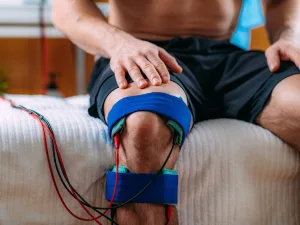
Non-interventional pain management encompasses a broad range of conservative and noninvasive strategies intended to reduce symptoms while helping patients regain mobility and function. Depending on the diagnosis, treatment may include:
- Medications for pain or inflammation
- Physical therapy and rehabilitation
- Activity modification
- Heat or ice therapy
- Bracing or other supportive equipment
- Exercise and conditioning
- Other noninvasive therapies
For many patients, conservative treatment can provide meaningful improvement without the need for an interventional procedure.

What is Interventional Pain Management?
Interventional pain management involves using minimally invasive procedures to target specific sources or mechanisms of pain. Common treatments include:
- Epidural steroid injections: Injections of corticosteroid medication into the epidural space around the spinal nerves, effective in reducing short-term pain and disability for pinched nerves in the neck and lower back.3
- Nerve blocks and radiofrequency procedures: Targeted procedures that use medication or controlled heat to identify and treat pain affecting specific nerves or pain-producing structures
- Spinal cord stimulation: A treatment that uses a small implanted device to deliver electrical pulses to block pain signals. This may be considered for selected patients with persistent pain.
- Peripheral nerve stimulation: A treatment that uses a small electrical lead to deliver electrical stimulation near a peripheral nerve to help modify pain signaling associated with localized pain.
- Sacroiliac joint procedures: Targeted interventions involving the sacroiliac (SI) joint, which connects the lower spine to the pelvis. These may include injections or other procedures when the SI joint is identified as a potential source of pain.
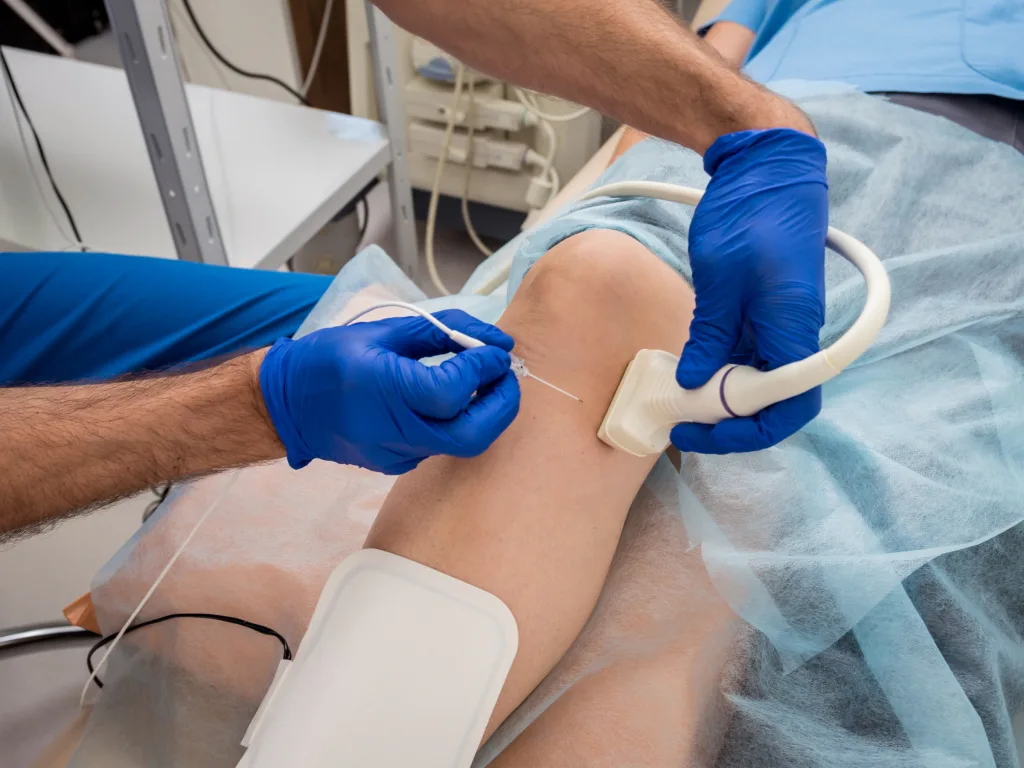
Interventional treatment is not appropriate for every patient. A clinical assessment helps determine whether a procedure is likely to address the suspected source of pain and whether its potential benefits and risks are appropriate for the individual patient.
The key principle is that an intervention should be based on a reasonable clinical indication rather than simply on how long pain has persisted. When appropriate, a procedure may serve as one component of a broader treatment plan designed to reduce symptoms, improve function, and support rehabilitation.
How Do Physicians Decide Which Treatment Is Appropriate?
Selecting the appropriate approach to pain management begins with a thorough clinical evaluation. Based on a patient’s symptoms, examination findings, medical history, and other diagnostic information, a physician may consider:
- The type and location of the injury
- The suspected source and mechanism of pain
- How long have symptoms been present
- Neurologic findings
- Imaging and other diagnostic information
- Previous treatments and the patient’s response to them
- The effect of pain on work, sleep, mobility, and daily activities
- The patient’s goals, preferences, and overall health
This information helps physicians develop an individualized treatment plan based on the patient’s specific condition, needs, and response to treatment. For some patients, conservative treatment may be sufficient to manage symptoms and improve function. For others, particularly when a specific source of pain has been identified and symptoms persist despite other approaches, and interventional procedure may be considered.
The goal of interventional care is not simply to perform a procedure, but to determine whether a targeted intervention has a meaningful role in the patient’s overall care. When appropriate, interventional treatment can complement conservative care and rehabilitation as part of an individualized approach focused on improving function and supporting recovery.
In many cases, conservative and interventional treatments can also be used together as part of a broader treatment plan.
What Should Patients Expect Before, During, and After an Interventional Pain Procedure?
Before an interventional pain procedure, the physician will review the patient’s medical history, current medications, diagnosis, symptoms, and the treatment being considered. The medical team will explain the purpose of the procedure, what to expect during treatment, and any relevant preparation or recovery instructions.
The type of anesthesia or sedation used, if any, depends on the procedure and the patient’s individual clinical needs. Many injections can be performed using a local anesthetic, while some more involved procedures may require sedation or another level of anesthesia. The planned approach will be discussed with the patient before treatment.
After the procedure, the recovery period and expected response vary depending on the treatment performed and the condition being treated.
Some patients may experience improvement relatively quickly, while others may require several days or longer to experience the full therapeutic effect. In some cases, patients may experience improvements in physical function after interventional procedures. Studies have shown that patients who underwent a minimally invasive procedure had greater improvements in walking tolerance at one year compared with patients who received conventional medical treatment.4 The degree and duration of pain relief can also vary from person to person.
Patients should follow their physician’s post-procedure instructions and communicate with their care team about changes in symptoms or concerns during recovery. Depending on the underlying condition, pain relief may be temporary or symptoms may recur over time, and additional treatment or ongoing management may be appropriate.
Pain Management Is Often One Part of a Larger Treatment Plan
Pain management is often one component of a comprehensive treatment plan rather than a stand-alone approach. For example, an injection may be used alongside physical therapy and rehabilitation to reduce pain and support participation in activities that help restore strength, mobility, and function.
According to US Department of Health and Human Services (DHHS) National Pain Strategy, and DHHS Pain Management Best Practices Inter-Agency Task Force, multimodal multidisciplinary approaches are the standard for pain management, helping to reduce pain, improve daily functioning, and enhance an individual’s physical and mental well-being.5
Integrating pain management into a broader plan of care can help address specific needs and treatment goals. When combined with other appropriate therapies, pain management can help reduce pain while supporting improved function and overall well-being.
Related: A Multimodal Approach to Pain Management After an Injury
1 https://pmc.ncbi.nlm.nih.gov/articles/PMC3555553/?
2 https://pmc.ncbi.nlm.nih.gov/articles/PMC10357711/?
3 https://www.neurology.org/doi/10.1212/WNL.0000000000213361
4 https://academic.oup.com/painmedicine/article/23/4/625/6529040?
5 https://jamanetwork.com/journals/jamanetworkopen/fullarticle/2798137?