



Signs, Symptoms, Treatments
Summary: Our jobs and hobbies find us repeating the same motions each day. Whether typing, lifting, driving, knitting, playing tennis, or performing surgery, these repetitive movements can negatively impact our lives. Here’s what to know about repetitive strain injuries (RSI), or repetitive motion injuries.
Regardless of what we do for work or play, we all have something in common: repeated movements. Tasks like typing and hobbies like tennis, when they’re done regularly, can cause damage to our joints, tissues, and muscles, which may lead to pain, swelling, stiffness, weakness, reduced range of motion, or even nerve damage.

According to a 2023 CDC report, about nine percent of American adults (18+) suffer from a repetitive strain injury (RSI) every three months. Women and men are equally likely to report RSIs.1 In athletes, RSIs account for more than half of all injuries. Musicians and people with desk and computer jobs are also likely to incur RSIs.
Musculoskeletal injuries from repetitive strain can lead to cumulative trauma disorders, a category to which RSI belongs, and they are most likely to affect workers in manufacturing, construction, and agriculture, where up to 20 percent of workers are at risk for RSIs. The most common injury: Carpal Tunnel Syndrome (CTS), affecting up to 10 percent of workers, with a ratio of 3:1 in women vs. men, in the U.S.2
Repetitive Strain Injuries
RSIs typically occur in muscles, tendons, and nerves.
Muscles and tendons (which connect muscles to bones) are impacted each time we exert them. In an intense workout, micro-tears, or Exercise-Induced Muscle Damage (EIMD), develop in the muscle fibers, becoming inflamed as our bodies work to repair the damage. When followed by proper rest and nutrition, this is a good type of muscle strain that results in hypertrophy, strengthening and increasing the size of muscle fibers. But without that essential rest, muscles and tendons suffer repeated trauma, and pain increases.
Nerves surround muscles and tendons, so repeated injuries can trap nerves and inflame them.
The most common locations for RSIs are the elbows and wrists, though they can occur anywhere at a site of overuse, including the shoulders, knees, fingers, thumbs, neck, and back.
RSIs can develop from everyday movements like typing, clicking, texting, lifting, or using tools without enough rest. Poor posture — such as bent wrists, hunched shoulders, or staying in one position too long — can further strain muscles and tendons and increase your risk of injury. RSI injuries include:

- Tendinitis
- Carpal Tunnel Syndrome
- Tennis Elbow
- Golf Elbow
- Trigger Finger/Thumb
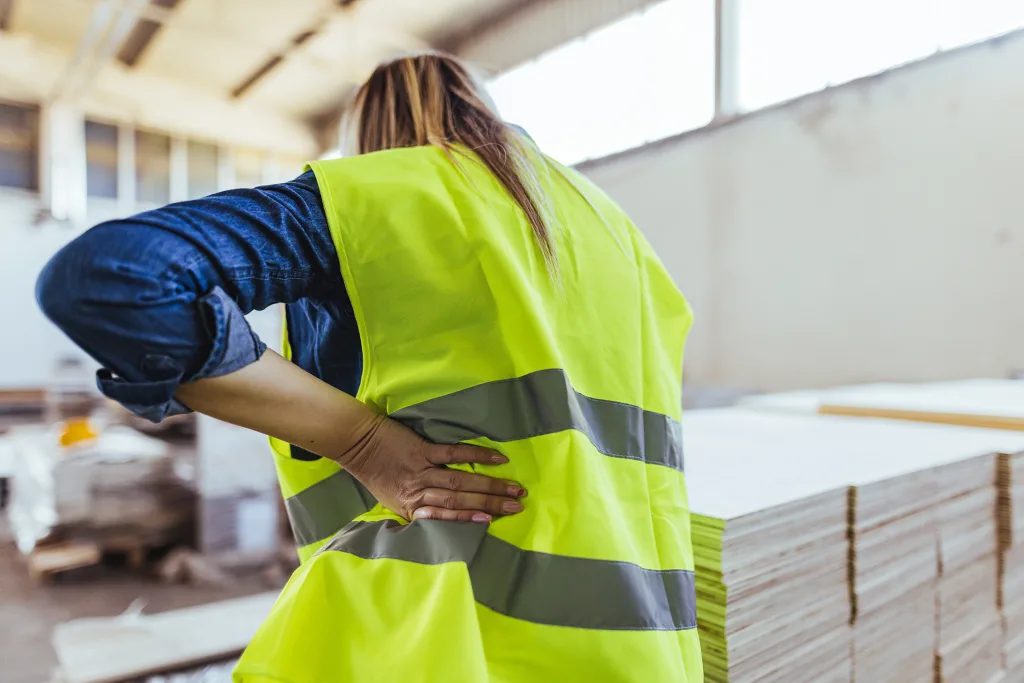
- Back Strains
- Shin Splints
Symptoms
Many people who work with their hands have experienced a middle-of-the-night sensation of numbness and tingling. This is a symptom of carpal tunnel syndrome, one of the most common RSIs. Symptoms of repetitive motion injuries include:
- Pain
- Swelling
- Tingling
- Numbness
- Stiffness
- Weakness
- Temperature Sensitivity
Treatment
If RSI symptoms are moderate or severe, the best treatment—and protection against more permanent injury—is RICE: rest, ice, compression, and elevation.

Avoiding the movements that caused the injury in the first place is essential. Allow the injury ample time to heal while applying ice packs to reduce swelling, compressing the area with a bandage, and keeping the injured part above your heart, if possible. Over-the-counter anti-inflammatories are also recommended to reduce pain and swelling.
Once the injury has begun to heal, physical therapy is a crucial step toward avoiding recurring injury and pain. Patients lose independence when they have difficulty with daily activities. At Excelsia Injury Care, our physical therapists are dedicated to educating patients about proper body biomechanics to reduce the risk of exacerbation and flareups. They are trained to help restore strength and flexibility and provide at-home exercises to improve function and facilitate your return daily activities. Our providers can also offer alternative methods of rehabilitation to help you reach your maximum recovery potential and prevent future injury.