



Summary: The most common injuries, warning signs, and what to expect during recovery. Understanding when to seek treatment and what recovery involves can make all the difference in your long-term health.
Workplace injuries and motor vehicle accidents are more common than many people realize, especially during the summer months, when increased travel, outdoor activity, and physically demanding work can lead to a higher risk of injury. The impact of an acute injury often goes beyond the initial incident. What may feel like a minor strain or soreness can quickly turn into ongoing pain or limited mobility if not properly treated. Understanding your symptoms and seeking care early can make a significant difference.
The Most Common Types of Injuries Following Workplace Injuries or Motor Vehicle Accidents
Common types of injuries after a workplace injury or car accident affect the neck and low back, which can lead to stiffness, reduced mobility, and in many cases, nerve pain radiating into the arms or legs. Sprains, strains, and stress fractures in the knees, ankles, and wrists are also common, often resulting from sudden, repetitive movements or impact.
Motor vehicle accidents frequently cause whiplash injuries due to rapid movement of the neck, and some will experience concussions or more complex conditions. In both workplace and auto-related injuries, repetitive stress can further contribute to ongoing discomfort if not addressed.
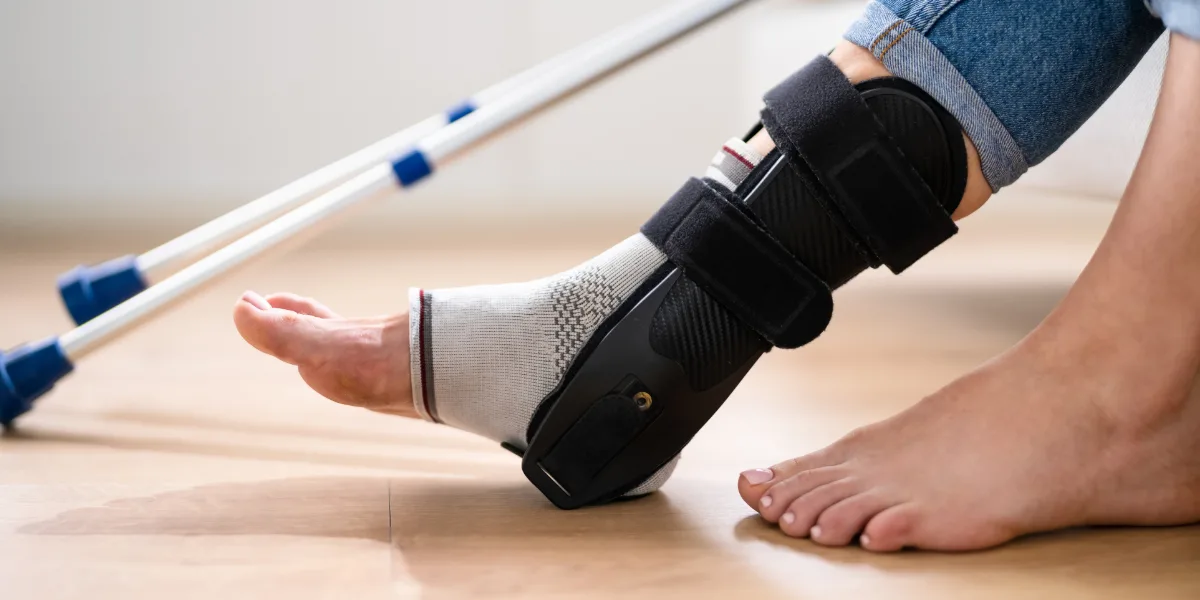
When to Seek Medical Evaluation
It’s not always obvious when an injury requires medical attention, but certain signs should not be ignored and may require medical attention. Healthcare evaluations are an important step in any individual’s recovery to put them on the correct path of recovery and avoid secondary side effects. This is recommended when experiencing symptoms such as:
- Persistent pain that lasts more than a few days
- Significant swelling or bruising
- Joint instability
- Limited movement or range of motion
- Difficulty with weight bearing
- Numbness or radiating pain
- Localized tenderness
- Interference with normal activities
“If an injury is limiting your movement, changing the way you work, exercise, or enjoy daily life, it’s worth getting evaluated. Early assessment isn’t just about reducing symptoms—it’s about keeping people active and preventing temporary setbacks from becoming long-term limitations.”
-Jennifer Lucas, PT, DPT, Excelsia Injury Care East Norriton
The Risks of Delaying Treatment
Trying to push through pain after an injury can often make things worse.
When sprains or strains get left untreated, the body can adapt to abnormal movement patterns. Over time, these altered movements can lead to chronic pain and long-term musculoskeletal complications, including prolonged disability, recurrent injuries, and delayed healing. With stress fractures, joint instability or worsening of the fracture may occur.
Many patients also become less active, leading to deconditioning and a loss of confidence in movement. In some cases, the nervous system becomes more sensitive, making pain feel more intense and persistent. Addressing injuries early helps avoid these complications and supports a smoother recovery.

How Physical Therapy Supports Recovery
Physical therapy is a cornerstone of recovery for both workplace and car accident injuries. Rather than focusing only on the symptoms, physical therapy addresses how the body moves. Treatment plans are designed to improve strength, flexibility, range of motion, and balance while correcting abnormal movement patterns that develop after injury. This approach not only reduces pain but also works on restoring function, reduces the risk of re-injury, and helps patients return to daily activities sooner.
Patients also benefit from ongoing guidance and support, which builds confidence and helps to feel at ease during the recovery process.
Factors That Influence Recovery Time
Recovery is not one-size-fits-all. Several factors influence how quickly someone heals after an injury. Age and overall health play a role, as do pre-existing conditions. The severity and type of injury are also important, but lifestyle and mental health factors matter just as much. Stress, anxiety, and pressure to return to work can all slow the healing process. On the other hand, staying consistent with treatment and following a structured plan can significantly improve recovery outcomes.
Related: Behavioral Health After an Accident
EMG Testing: How Patients Can Benefit from it in Physical Therapy
In some cases, additional testing is needed to fully understand an injury. Electromyography (EMG) and nerve conduction studies (NCS) are used to evaluate how well nerves and muscles are functioning. These tests are particularly helpful for identifying nerve-related injuries, such as pinched nerves or peripheral nerve conditions (e.g. carpal tunnel syndrome), or other muscle disorders. Oftentimes, physical therapists would only recommend an EMG test when symptoms like persistent numbness, tingling, muscle weakness, or radiating pain into the arms or legs are present.
Injury Prevention Tips
Reducing your risk of future injuries starts with simple, consistent habits. Staying active, maintaining strength, and improving flexibility all help support long-term health. Paying attention to how your body feels—and addressing issues early—can prevent minor problems from becoming more serious. The goal isn’t to avoid activity altogether, but to move well and stay engaged in your daily life.