



Summary: Multimodal pain management combines personalized treatments to reduce pain, restore function, and support recovery based on each patient’s unique needs and goals.
Pain following a post-traumatic injury is rarely experienced in exactly the same way by every patient. Two people with similar injuries may have very different symptoms, functional limitations, treatment responses, and recovery trajectories.
This variability is one reason modern pain management emphasizes a multimodal approach.
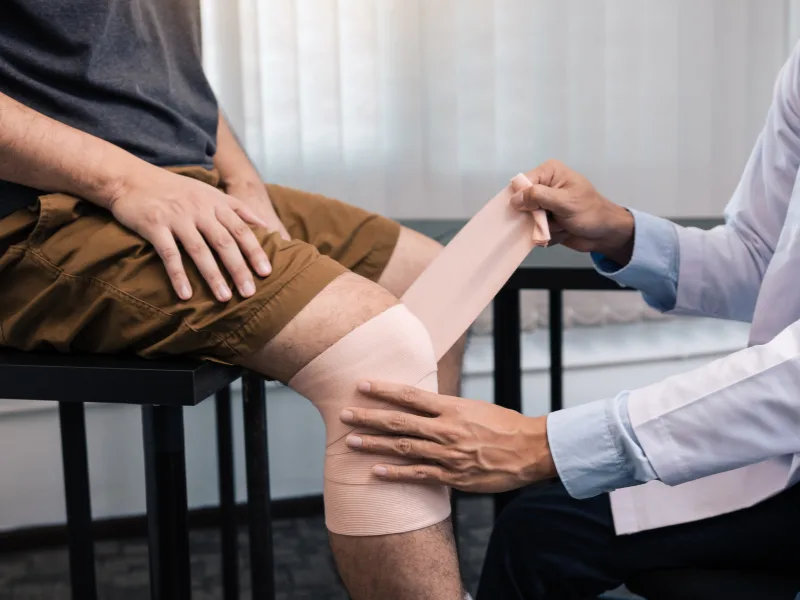
Rather than relying on a single medication, procedure, or therapy, multidisciplinary care combines complementary treatment strategies based on the patient’s diagnosis, symptoms, functional goals, and response to treatment.
The objective is not simply to provide temporary pain relief. A comprehensive plan seeks to reduce pain while improving movement, function, participation in daily activities, and overall quality of life.
What is a Multimodal Approach to Pain Management?
Multimodal pain management involves using several therapeutic approaches to address pain and support functional recovery. Depending on the patient’s diagnosis and clinical needs, treatment may include:
- Medications: Prescription drugs used to help manage pain, inflammation, muscle-related symptoms, or nerve-related pain.
- Physical therapy and rehabilitation: Hands-on care and therapeutic exercise focused on restoring mobility, strength, endurance, and physical function.
- Interventional procedures: Minimally invasive procedures such as injections, electrical stimulation, and minor surgery to address specific sources of pain when clinically appropriate.
- Exercise and activity modification: Adjustments to movement and daily activities can help manage symptoms, support physical recovery, and promote a gradual return to normal activity.
- Supportive medical equipment: Bracing and other equipment that may help protect an injured area, improve stability, or assist with function when clinically indicated.
- Behavioral or psychological support: Support that may address factors such as sleep disruption, stress, fear of movement, and other challenges that can interfere with recovery.
- Chiropractic or other complementary therapies: Chiropractic care, manual therapy, acupuncture, massage, and other therapies that may be incorporated when appropriate.
Why a Single Treatment May Not Be Enough
Pain is a multifaceted experience shaped by biological, psychological, and social factors. Depending on the injury and individual patient, these may include tissue damage, inflammation, nerve irritation, restricted movement, sleep disruption, reduced activity, and emotional stress.
These factors may occur independently or interact with one another, contributing to differences in symptom severity, functional limitations, and response to treatment. Persistent pain may also affect a patient’s ability to sleep, remain active, participate in rehabilitation, and perform daily or occupational activities.
This does not mean that pain is psychological. Rather, it recognizes that multiple physical, functional, and psychosocial factors may influence a patient’s experience of pain and recovery. A single treatment may not adequately address all of these factors, making a coordinated, multimodal approach appropriate for some patients.
What to Expect from a Personalized Pain Treatment Plan
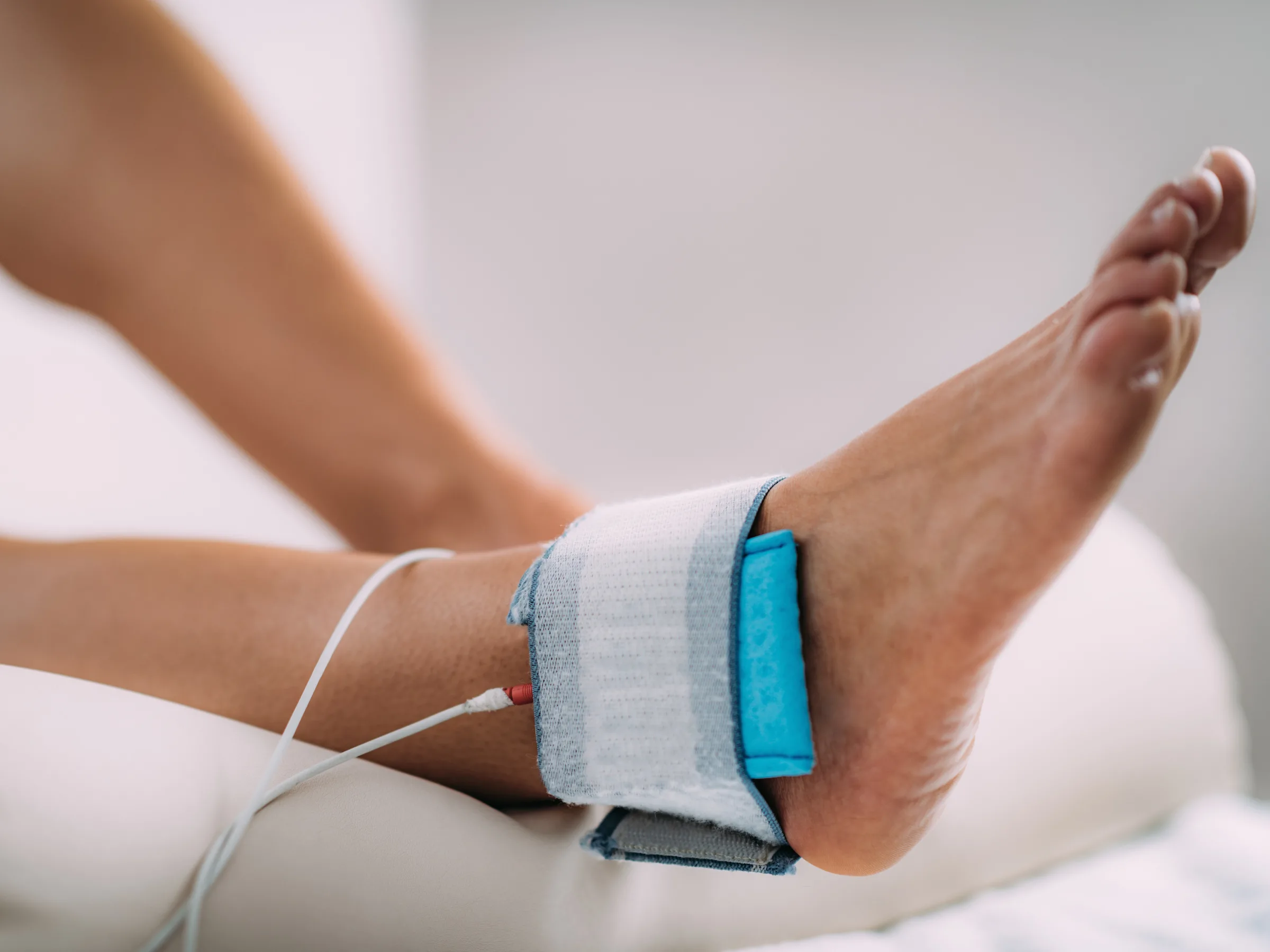
After a comprehensive clinical evaluation, a patient’s treatment plan may incorporate several approaches based on symptoms, examination findings, functional limitations, and response to treatment.
Initial management may include medication and activity modification to help control symptoms while the patient begins an appropriate rehabilitation program. Physical therapy may focus on improving mobility, strength, conditioning, and tolerance for daily activities.
Treatment plans may be reassessed and adjusted as a patient’s condition changes throughout recovery. An approach that is appropriate early in recovery may become less necessary as symptoms improve, while another therapy may become appropriate as the patient’s needs and functional goals change.
If symptoms persist and clinical findings indicate a specific source of pain, an interventional procedure may be considered. The purpose of the intervention may be to reduce symptoms sufficiently to allow greater participation in rehabilitation and functional activities.
Treatment can also be adjusted as the patient’s condition improves to support a gradual return to normal daily and occupational activities. If persistent pain is affecting sleep, contributing to fear of movement, or limiting participation in rehabilitation, behavioral support may also be incorporated when appropriate.
The specific treatments, timing, and duration will vary by patient. The objective is not to accumulate treatments, but to coordinate clinically appropriate interventions based on the patient’s changing needs, functional goals, and progress toward recovery.
Treating Pain While Restoring Function
An important goal of comprehensive care following a traumatic injury is not only to reduce pain, but also to restore function. A patient may report less pain while continuing to experience limitations with walking, work, exercise, sleep, or daily activities. Conversely, a patient may continue to experience some pain while making meaningful improvements in strength, mobility, and activity tolerance.
Treatment progress should be evaluated using both symptom improvement and functional outcomes.
Excelsia’s Patient-Centered Approach to Care
At Excelsia, multidisciplinary care is designed around the individual patient rather than a one-size-fits-all treatment model. Our providers and specialists consider the patient’s diagnosis, symptoms, medical history, response to treatment, functional limitations, and recovery goals when developing and adjusting care.
This coordinated approach allows the care team to monitor progress and make appropriate changes throughout recovery. By bringing together different areas of expertise, Excelsia works to help patients manage pain, restore function, and move toward their maximum recovery potential.